
Workday screening plaintiffs move to certify a class
The named plaintiffs moved on September 14, 2026 to certify a class against Workday itself, and the briefing runs to a March 9, 2027 hearing.
Workday / Product coverage
Source-linked reporting organized by product, platform, and the topics that connect them.
The named plaintiffs moved on September 14, 2026 to certify a class against Workday itself, and the briefing runs to a March 9, 2027 hearing.

Workday says early adopters cut benefit provider onboarding time by 75 percent. The trade is that the list of providers you can connect to is now Workday's.

Workday 2026R2 reached production on a Saturday. The automatic and optional change split is Monday's problem, and Agent Passport deserves harder questions.

Workday and DailyPay say 78 percent of frontline workers price out gas, commuting and childcare before accepting a shift. Your scheduler knows none of it.

Workday is a Leader in the first Gartner workforce management quadrant. A first edition changes how much weight that position can carry in a shortlist.

Workday shares jumped on a report that take-private financing is coming together. Nothing is signed, and here is what a tenant owner should ask anyway.
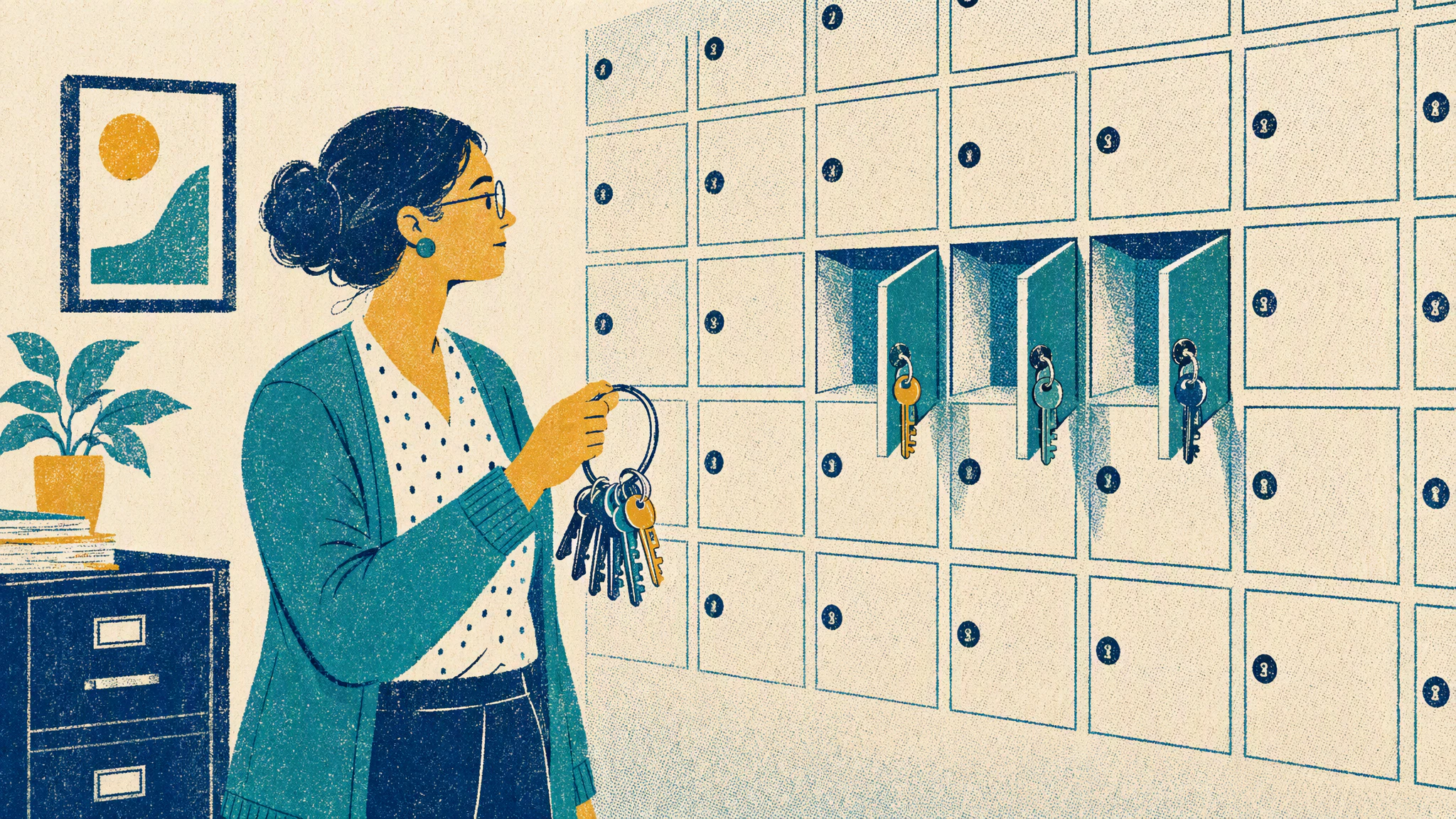
Sana's HR award points to 300-plus skills reaching into Gmail, Slack, and Salesforce, and the checks a security lead needs before turning one on.

Eleven straight years as a Gartner Leader says Workday will keep investing in HCM. It says nothing about your pay rules, your ledger, or your integrations.

Workday names a city live in five months and a state that took thirty. The gap is pay rules and fund accounting, and you can count both before you plan.

Workday's Q2 release says more than 5,500 customers use at least one organic agent. The count says the switch is on. It says nothing about the work.

Workday says AI drove a quarter of new ACV. The condition rules and approval chains already in your tenant are what make those agents safe to switch on.

Workday's fiscal 2027 Q2 release reports a $27.4 billion subscription backlog and AI in a quarter of new ACV. Here is how to write that into a plan.

Workday's fiscal 2027 second-quarter release lists a run of product changes under the revenue line. Here is how a tenant owner should sort them.

Workday may close the gap you are about to fill. Test whether the need is common, price the year of waiting, and name who removes your app later.

An integration belongs to neither system team, so it goes unowned. What the owner role really involves, and why it is a stronger career position than it looks.

A plan only means something next to actuals, and a separate model only earns its keep if planners can change it. Dimension ownership decides which one works.

Effective dating separates the Workday integrations that still hold up in year five from the ones that went quietly wrong and told nobody.

Provisioning is the easy part. Transfers add access and almost never remove it, and every application keeps entitlement in a model of its own.

An agent that changes a worker record carries risks a service desk agent never does, and HR deployments need a governance bar set well above the usual checklist.

Winter '27 lands October 12, the Release Planner retires November 15, Brazil is arriving and 2026R2 is already live. Six vendors, one team calendar.

A group of companies almost always belongs in one Workday tenant. Here is when a second one is genuinely right, and what the single tenant costs you.

Workday ships two feature releases a year plus weekly service updates, and nearly all of it arrives disabled, so the real risk is what nobody turns on.

Workday already enforces who may see whose record. Copying worker data out buys you joins and hands somebody the job of rebuilding that access model.

Extend earns its place when the app sits on Workday objects and inherits tenant security. Orchestrating outside systems is a different job.

A feature comparison gives you two lists that mostly match. The decision turns on fit, country payroll coverage and who holds the configuration skill.

A certification is worth the week when a partner badge, a procurement filter or a thin CV depends on it. For a proven in-house admin, rarely.

Deep Workday configuration skill pays well and narrows fast. Four honest paths out of year five, and what each one costs in money and optionality.

A modernization program that lists what it will build and never what it will switch off ends up paying for both. Put the retirements in the scope.

The parallel runs, per-element tolerances, and sign-offs that decide whether a Workday or Oracle HCM payroll go-live is safe, and who should own each one.

A Power Automate flow can report success on a Workday employee event while the team that gets the ticket cannot see what arrived or how to correct it.

Route every step to a security group rather than a person, delete the approvals nobody has ever rejected, and let conditions skip the rest.

Most slow Workday reports retrieve far more than the question needs and then discard it. Fix the data source and the filters before you touch the columns.

One clean parallel cycle proves very little. Build the cases that break payroll into the run, then triage every variance before anyone signs.

Writing the two week handover runbook exposes every job only you can run, and the page telling your stand-in what not to attempt is the one that saves you.

Workday gives you no general purpose database. Extend is the sanctioned way to build something custom inside the tenant's own security, worker data and approvals.
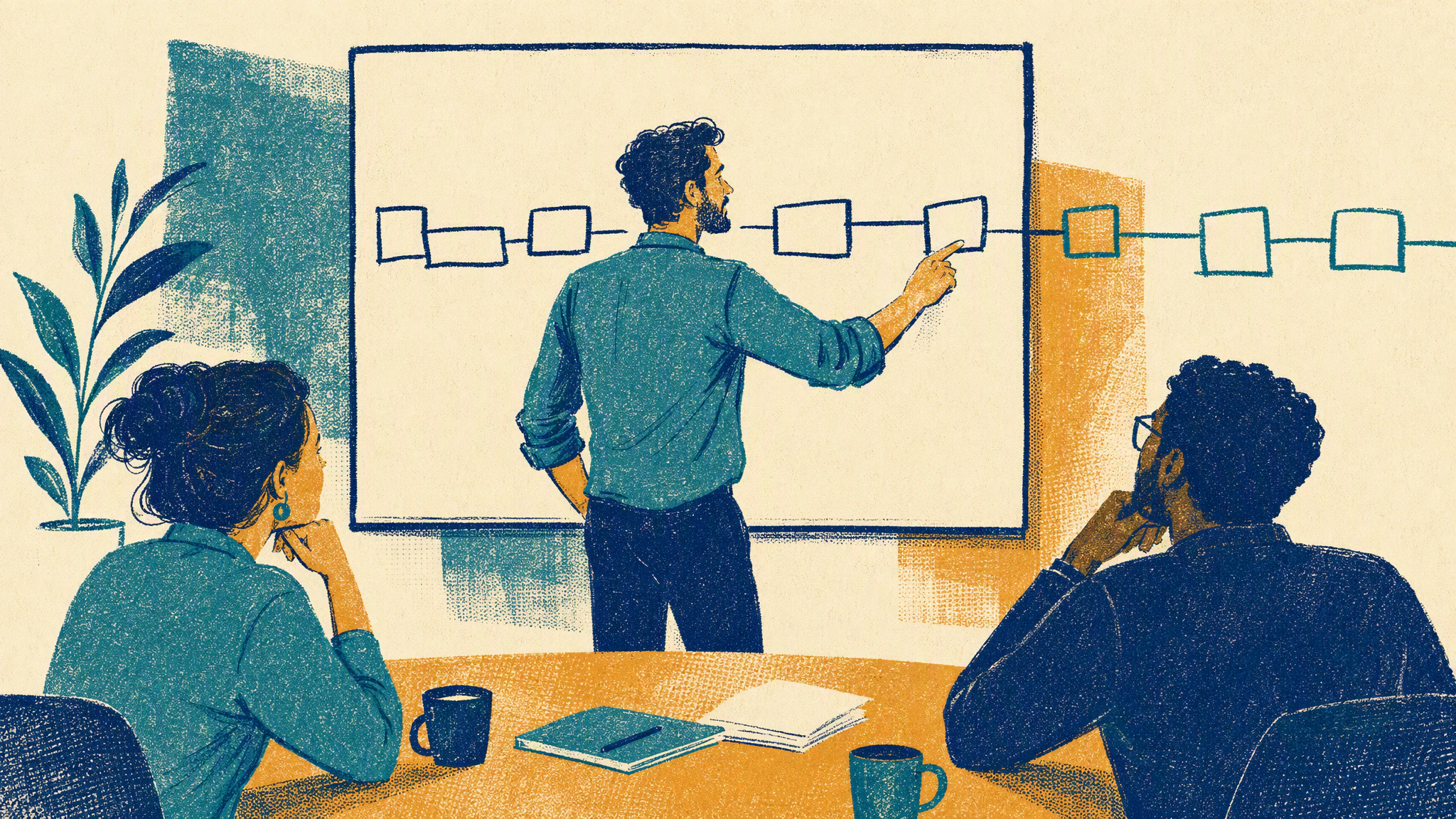
Three tenure calculations, three headcount numbers, one leadership meeting. A method for auditing Workday calculated field sprawl before reports time out.

A first-person audit method for finding duplicate Workday security groups, tracing mystery access back to its origin, and setting a review cadence that sticks.

A practical method for catching Workday comp cycle configuration drift before go-live, built around an approval step that quietly survives the manager it was written for.

Workday Extend apps read HCM data by default. Decide who reviews access, who tests against real data, and who owns the app before it ships.