SAP names one AI use case you can actually check
SAP News Center published a column on September 22 by Andre Bechtold, SAP's President of Industries and Experiences, saying ITOCHU Corporation, a global trading company, is working with SAP to apply AI to financial processing for complex trading transactions. The one example given is intelligent general ledger posting for raw-material transactions. This is SAP writing about SAP rather than a product announcement, and it should be read on those terms.
The customer name is the least interesting part. Plenty of vendor columns attach a large logo to a vague capability and leave the reader nothing to test. This one supplies a specific job, and intelligent general ledger posting for raw-material transactions in commodity trading is one of the harder problems in finance automation.
Nothing in the column appears in quotation marks and no ITOCHU executive is named, so there is no first-person claim to weigh. There is no contract value, no scale, no go-live date and no published result. The column describes work in progress and an intention to explore a broader Industry AI approach for the trading industry.
Trading documents map badly to postings
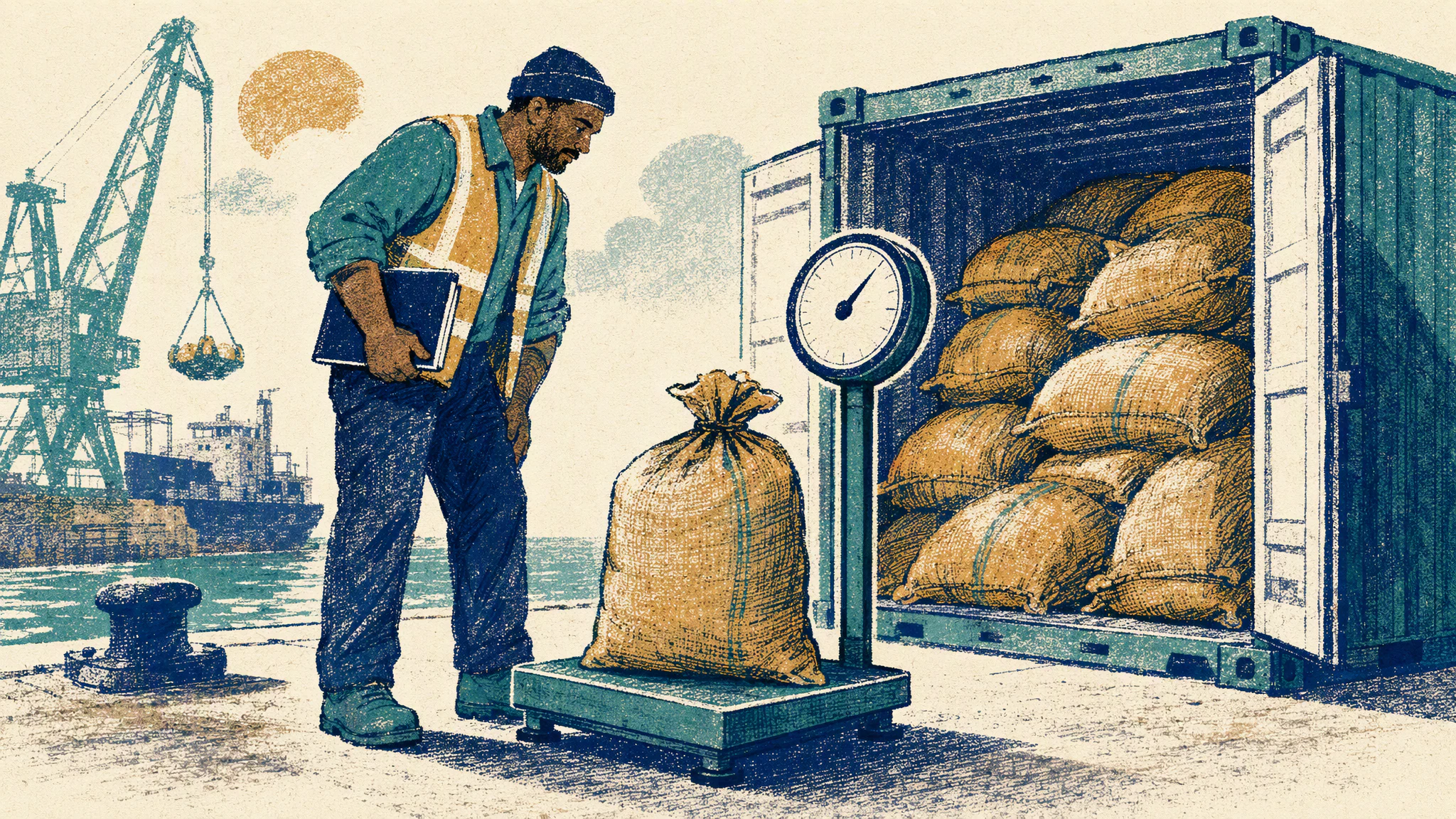
A raw-material trade rarely arrives in one document that maps to one journal entry. A cargo can be bought under a term contract, financed under a separate facility, hedged on an exchange and sold before it reaches port, and each leg produces paperwork written for a purpose other than accounting.
Price is the next problem. Commodity contracts commonly settle against a moving reference, so the invoice raised at loading carries a provisional price and the final price is set weeks later against an average of published quotes. The first posting is provisional by design, and the correction that follows is normal business rather than an error.
Quantity and quality move too. Weight at discharge differs from weight at load, moisture content changes the payable tonnage, and an assay result can change the payable metal in a concentrate after the period has closed. The same cargo can also generate postings in several legal entities as title passes between trading arms.
Where a rules engine runs out of road
Finance teams have automated the clean cases for years. A rules engine handles the trade that matches its contract and lands in the entity everyone expected. The residue is the problem, and in commodity trading it stays large enough to keep a room of accountants reading contracts and deciding which account a charge belongs to.
That decision is a judgement about meaning rather than a lookup. Someone reads a clause about demurrage, decides whether the charge sits in cost of goods or in a separate freight account, and weighs whether the counterparty will accept it. Mapping that reliably tests what SAP's Business AI work can do inside S/4HANA, which makes this example more interesting than another invoice-matching demonstration.
What the column says and what it leaves out
The phrasing about initial implementations is doing a lot of work. The column says ITOCHU and SAP are using those initial implementations to explore a broader Industry AI approach for the trading industry, which describes a direction of travel and not a finished capability. No volume and no accuracy figure has been published.
The next disclosure is scheduled. SAP says the approach will be discussed at SAP Connect in Las Vegas from October 5 to 7, 2026, where ITOCHU will share how its initial AI use cases can support an Industry AI initiative across the trading business. A customer session usually carries more operational detail than a vendor column, so that is a reasonable date to wait for.
Until then, the column tells you where SAP wants its industry AI work to go, with one named customer and one named use case attached. That is a useful signal about direction and weak evidence about outcomes, and there is no independent reporting on the ITOCHU work to check it against.
The expensive failure is a confident wrong posting
The transferable question here has nothing to do with ITOCHU. It is what a posting agent does when the document in front of it is ambiguous. An agent that stops and asks costs a finance team some queue time. An agent that picks the most plausible account and posts with confidence costs far more, because the error arrives silently and correctly formatted.
Those errors surface at period end, usually during a variance review when somebody asks why a freight account grew. By then the entry sits in a closed period, it has been consolidated, and the trail back to the document is thin. A finance team can absorb an agent that refuses too often. It cannot absorb confident misclassification that takes a quarter to notice.
What to settle before anything posts unattended
Require a reviewable basis for every posting. A reviewer should be able to see which contract terms the agent read, which price source it used, which entity rule it applied and why it chose that account over the next most likely one. A confidence score alone gives nobody grounds to disagree, the same weakness to watch in SAP's accruals agent and its approval step.
Then ask what reconciliation would catch a systematic misclassification. A sub-ledger to general ledger tie-out proves the totals agree and proves nothing about whether a thousand entries went to the wrong account together. Catching that needs a control watching account composition over time, split by counterparty and commodity, with a named reviewer.
Settle ownership of corrections before any of this runs unattended. Somebody has to own the reversal, the restatement when a provisional price finalises and the conversation with the auditor, and that ownership belongs with a person in finance rather than the project team. The handoff between human and agent work is where most of these programmes get vague.
Take one question into the next meeting with your SAP account team. Ask them to walk through a provisional invoice where the final price is unknown and the discharge weight disagrees with the loading documents, then show what the agent posts, what evidence it leaves and who corrects it. A clean demonstration proves nothing about the trades that fill a real close.