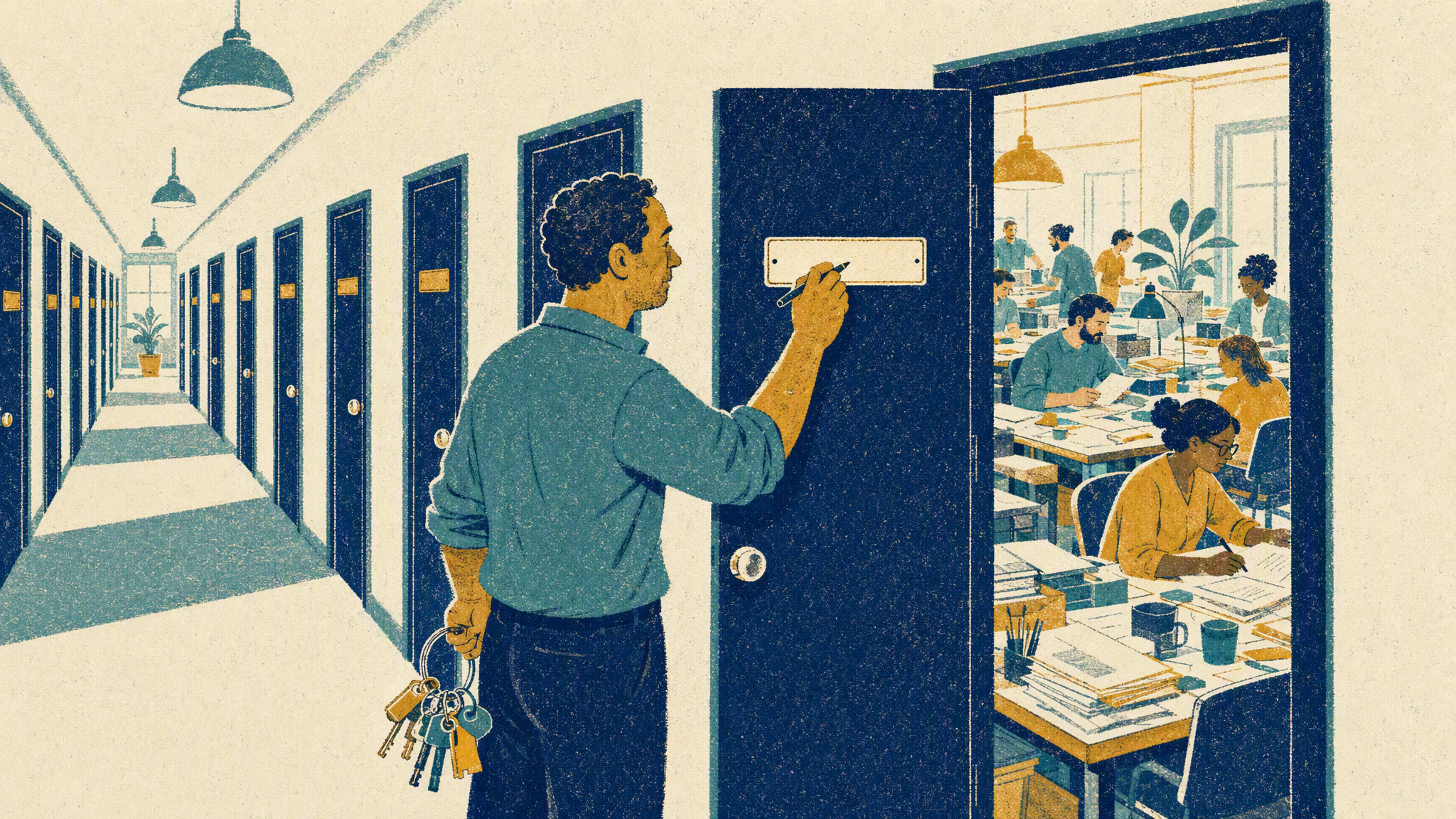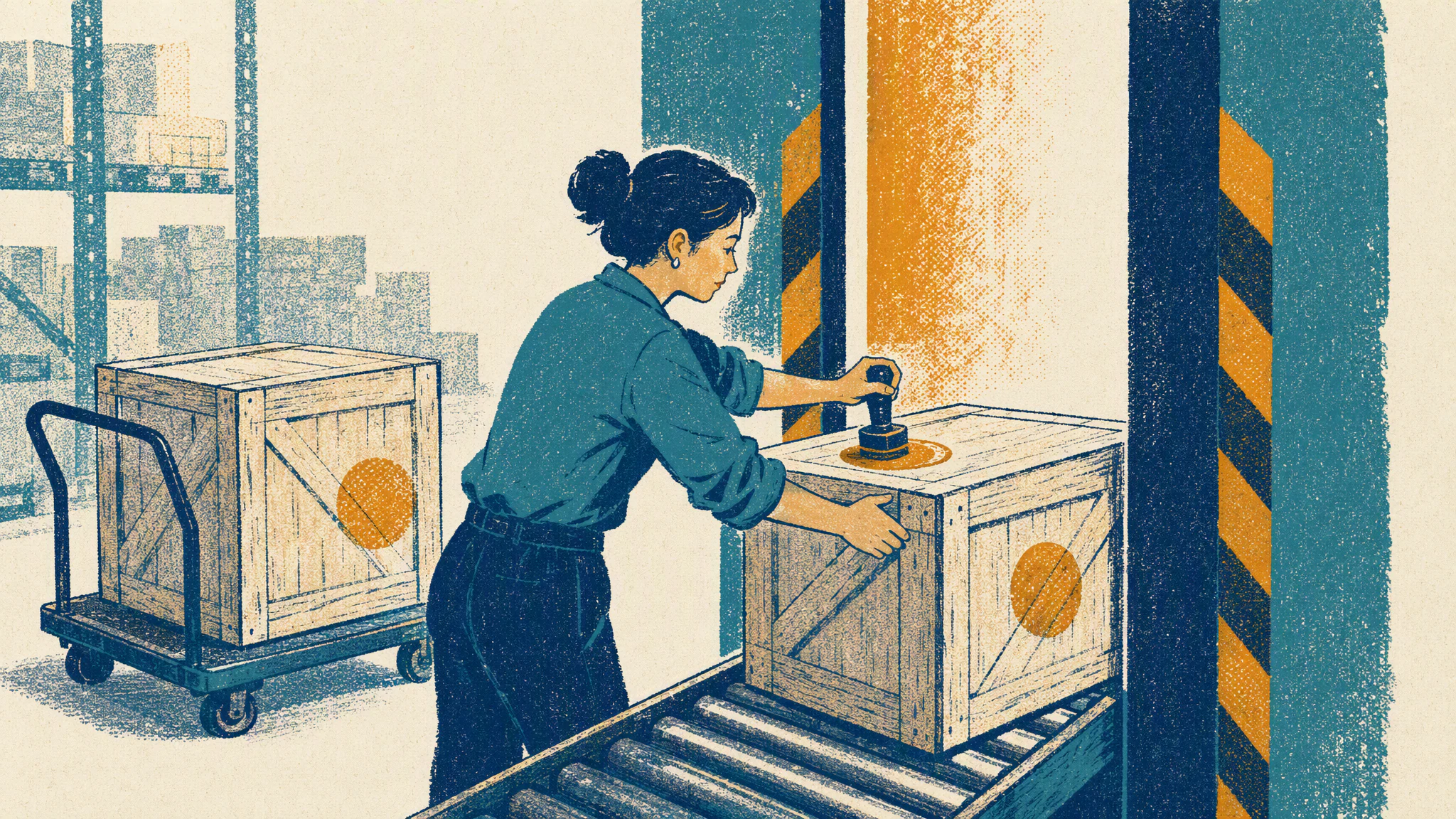
Most pipelines die in the quarter after the launch, not on day one
I sat through a platform review last spring where the closing slide read ALM Maturity, and behind it sat a release pipeline that had shipped one solution since the town hall six months earlier. The platform team had built it properly, with source control, an automated solution checker run, and a service connection into two higher environments. Nobody outside that team had opened it since the demo.
That pattern shows up in almost every tenant I look at. A platform team builds a pipeline to prove to an auditor or a CIO that changes move through dev, test, and production under control. They demo it once, everyone nods, and the makers building the canvas apps and flows go back to exporting solutions by hand and emailing zip files to whoever owns the next environment.
A better pipeline diagram will not fix that. What fixes it is designing around the loop a maker actually runs each day: build, test, get feedback from whoever asked, iterate. A pipeline built for compliance first and for that loop second gets bypassed within a week, the first time a faster workaround appears.
A governance step that costs two days loses to whatever is faster
Platform teams optimize for an audit trail: who approved a change, when it moved, what got tested. Makers optimize for showing the requester that a change works, the same day if possible. Those two goals are not opposed, but a pipeline serving only the first one gets routed around.
I watched this happen with a facilities request app. The pipeline required a logged change request and a two day refresh window before a build could start. The maker needed to show a fix before Friday, so she edited the test environment directly. Six weeks later the version in source control and the version in test had nothing in common, and nobody could say what was actually deployed.
Makers were not skipping the process out of carelessness. They were doing the math on which path gets the requester an answer faster, and the pipeline lost every time. Governance that keeps low-code work moving covers the intake side of this problem. The pipeline is the other half, and it fails on the same logic: a control nobody can afford to wait for gets bypassed.
The build has to finish before the maker loses interest
Ask a maker what killed their enthusiasm for a pipeline and the answer is often the wait. I have seen builds take twenty five minutes because the pipeline rebuilds every solution on every commit, runs the solution checker against tables nobody touched, and reinstalls the pac CLI tooling from scratch each run.
None of that is necessary. Cache the tooling install, scope the solution checker to the solution that changed, and unpack each solution into its own folder so a change to one does not rebuild all of them. Run the build as a pull request check, not a separate step the maker has to remember to kick off. None of this needs new DevOps and ALM tooling beyond what most tenants already pay for.
The difference shows up in behavior, not a slide. A maker who sees a green check in under two minutes merges the pull request before lunch. A maker staring down a twenty five minute build gets coffee, picks up two more requests, and finds out at four that the run failed on a missing connection reference from three commits back.
Test data has to look like the real process, not a demo of it
Copying production into test solves one problem and creates two more. It puts real customer and employee data somewhere with looser controls, and it goes stale within a month, so the edge cases a maker needs never show up. The better answer is a small, deliberate seed set someone owns and refreshes on a schedule.
I reviewed an expense approval flow that passed every test against five made up claims, all in the same currency, all with a manager one level up. It failed on its first real run, against a claim from London in pounds with an approval chain missing a manager field. Edge cases that break a flow in production are rarely exotic. They are the ordinary variation the test data never included.
Build seed data to match the shape of the real process: a few currencies if the process touches more than one, an approval chain with a gap in it, a record with a field left blank that should not be. That data profile belongs to whoever owns the environment, the same person accountable for how many environments a solution actually needs.
A maker needs a rollback that does not start with a ticket
I've seen a flow start duplicating case records after a connection reference pointed at the wrong environment following a promotion. The maker who owned it had no way to turn it off. The fix required a ticket to the platform team, who picked it up forty minutes later because it landed after six in the evening, and dozens of duplicate cases needed cleanup by hand.
Two things fix that. Keep the last several managed solution packages available so redeploying the previous version is a pipeline stage a maker can trigger themselves, not a request waiting in someone else's queue. Put an environment variable kill switch on any flow that writes to another team's data, so turning it off needs no import at all.
Neither of those is complicated engineering. Both require the platform team to decide, before the incident, that a maker is allowed to press that button alone. Most rollback failures I've reviewed came from a missing decision, not missing technology, about who gets to act at six in the evening.
Managed and unmanaged layering is the decision to get right first
Before any pipeline mechanics matter, decide where unmanaged solutions live and where only managed ones are allowed. Dev is unmanaged, because that is where a maker edits components directly. Every environment downstream of dev should only receive a managed solution, imported by the pipeline, never patched by hand.
Most first attempts break this rule within the first month. Someone imports an unmanaged solution into test to fix one field, and the next managed import either reverts it or throws a conflict nobody can explain without opening the solution layers viewer. Connection references and environment variables are the other seam. Without a deployment settings file to parameterize them, the pipeline works in dev and points at the wrong SharePoint site once it reaches test.
Write this decision down before automating a single step: which environments are unmanaged, which are managed, and how a connection reference or environment variable gets its value at each stage. A pipeline built on an undecided layering question just automates the confusion faster. Once layering is settled, the release checklist for shared solutions is the conversation to have at each promotion gate.
Pilot with one team that wants this, not the average maker
Design a pipeline in a workshop full of stakeholders and the result fits the average maker, who does not exist. Pick one team instead, ideally one already frustrated with exporting solutions by hand, and build the pipeline around what actually breaks for them.
The pilot that worked best for me was an HR onboarding group. Their friction was not the build time or the environment count. It was that a reviewer could approve a pull request at six in the evening and nobody would know until the next morning's stand up. A channel notification on approval fixed more of their daily annoyance than the architecture underneath it, and that fix only surfaced because someone watched the team for two weeks. Watching one team that closely is easier for a platform team sized the way the case for a small center of excellence argues for.
Before widening past that first team, confirm the pipeline holds up under a second one. This is what I check before letting that happen.
- Is the build finishing in under two minutes for this team's own solutions?
- Can someone on the team refresh their own test data without asking the platform team?
- Has a maker on the team actually triggered the rollback once, not just been told it exists?
- Is the managed and unmanaged boundary written down for every environment this team touches?
- Does the team know who to call the day the pipeline itself breaks?